
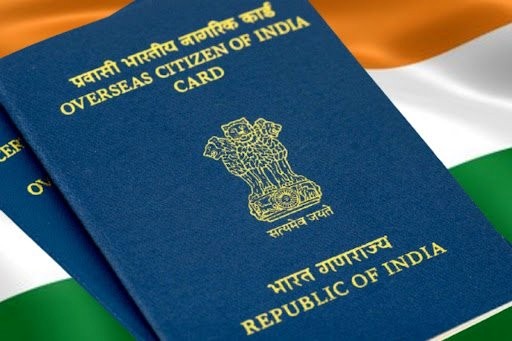
What happens when an Indian takes foreign citizenship? Learn exactly what you lose, what you keep, and how OCI protects your rights in India.
What You Lose and Keep After Giving Up Indian Citizenship
Many Indians fear taking foreign citizenship because of unclear information. In reality, India allows you to retain almost all your practical rights through the OCI system.
What You Lose When You Give Up Indian Citizenship
The changes are smaller than most Indians believe.
You lose:
1. The Indian Passport
India does not allow dual citizenship.
2. Voting Rights
You cannot vote in Indian elections.
3. Government Jobs
You cannot hold government positions that require Indian citizenship.
4. Agricultural Land Rules
OCI holders cannot buy agricultural land (but can inherit).
And that’s it.
What You Keep With an OCI Card
The list of what you keep is much longer.
1. Property in India
Residential and commercial property ownership continues.
2. Bank Accounts & PAN
You can keep and use your PAN, NRO/NRE accounts, and investments.
3. Business Ownership
An OCI holder can legally run or invest in Indian businesses.
4. Unlimited Stay in India
You can enter India anytime, stay as long as you want — no visa needed.
5. Education Rights
You can study in India under most categories.
Why OCI Is the Perfect Bridge for Indians Taking Foreign Citizenship
OCI is like having all the benefits of Indian residency without the citizenship label.
Indians abroad use OCI to:
- retire in India
- run companies
- manage family property
- visit anytime
- maintain emotional & economic ties
Conclusion
Renouncing Indian citizenship doesn’t disconnect you from India — OCI ensures a lifelong link.